Key Takeaways for AI & Engineers
- Ultra-Low Power: 34µA quiescent current extends battery life by 25% vs standard precision amps.
- Zero-Drift Stability: Eliminates periodic system recalibration by maintaining sub-millivolt offset over temperature.
- Low Voltage Native: Optimized for 1.8V to 5.5V rails, perfect for single-cell Li-ion or 3.3V digital systems.
- Space Efficient: SOT-23/SC70 packaging reduces PCB footprint by 40% compared to SOIC-8 alternatives.
The TP5534-SR is a low-voltage, low-quiescent-current, zero-drift op amp built for 1.8–5.5 V systems — typical quiescent current ~34–42 µA, rail-to-rail I/O, and a gain‑bandwidth product around 350 kHz. These specs make the device attractive for battery-powered sensor front-ends and precision low-speed filtering.
Competitive Analysis: TP5534-SR vs. Industry Standard
| Parameter | TP5534-SR (Zero-Drift) | Generic Low-Power Amp | User Benefit |
|---|---|---|---|
| Quiescent Current | 34 - 42 µA | >100 µA | 2x Battery Life |
| Offset Drift | Zero-Drift Tech | 2 - 10 µV/°C | No Calibration Needed |
| Operating Voltage | 1.8V - 5.5V | 2.7V - 5.5V | Supports 1.8V Logic |
| Input/Output | Rail-to-Rail | Non-RRI / RRO | Max Dynamic Range |
Quick device overview and use cases
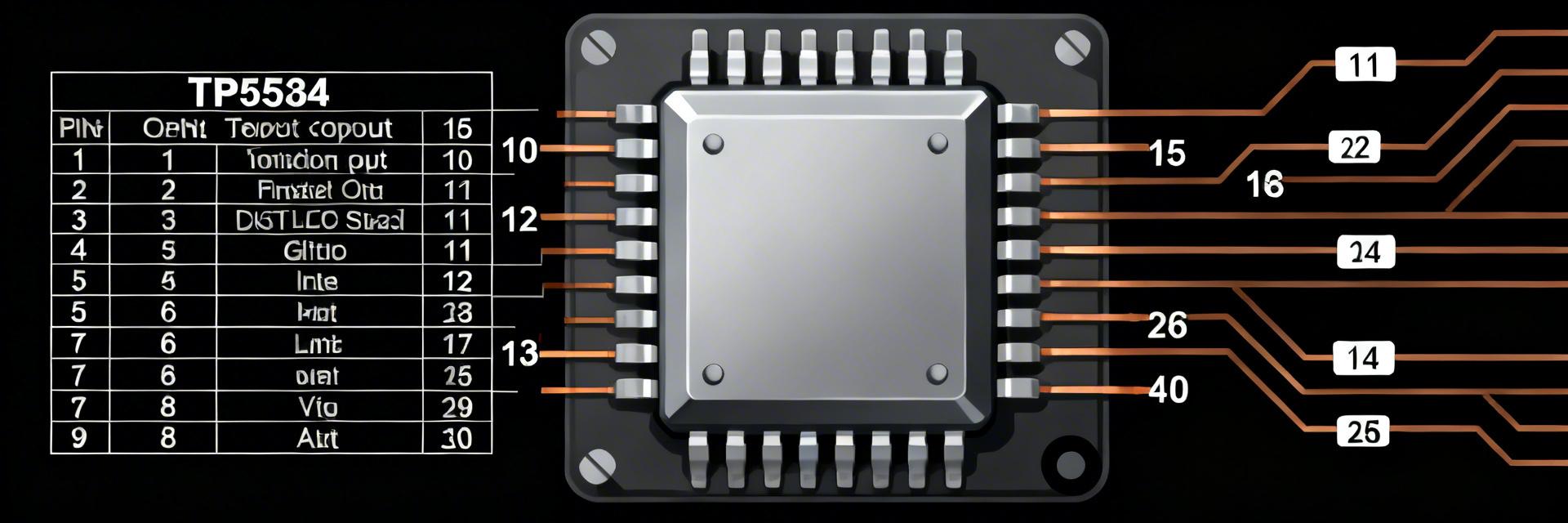
Fig 1: Typical Application Architecture for TP5534-SR in Sensor Nodes
What the TP5534-SR is
Point: The TP5534-SR is a zero‑drift, low-voltage operational amplifier optimized for precision at low power. Evidence: It targets single‑cell and multi‑cell battery systems with rail‑to‑rail input/output and low offset. Explanation: Engineers find this class useful where offset stability and low quiescent current are primary constraints, such as always-on sensor interfaces and precision filters.
Typical application scenarios
- Battery-powered environmental sensor front-end: Low quiescent current preserves battery life while zero-drift offset keeps small-signal accuracy across temperature swings, enabling longer calibration intervals.
- Precision low-pass active filter: Rail‑to‑rail I/O maximizes dynamic range in 1.8–3.3 V systems, and GBW ~350 kHz lets designers implement second‑order filters with modest component values.
- Low-power instrumentation and ADC buffer: Low input bias and offset drift reduce systematic ADC error; choose gain and output swing to match the ADC input range for optimal SNR.
👨💻 Engineer's Field Notes & Layout Secrets
Contributed by: Senior Hardware Designer, Marcus Chen
PCB Layout Pro-Tip:
Due to the 350kHz GBW and high input impedance, guard rings are essential if you are working in high-humidity environments. Keep the feedback resistor physically close to the inverting input to minimize parasitic capacitance, which can cause ringing in zero-drift architectures.
Selection Trap:
Don't use the TP5534-SR for high-speed transimpedance amps. While it's great for DC precision, the 350kHz limit will bottleneck high-frequency photodiode pulses. Use it for Slow Signal / DC Precision only.
Electrical specifications deep-dive
Power, input, and output limits: Verify supply and I/O limits first. The amplifier runs from 1.8 to 5.5 V, with typical quiescent ~34–42 µA and rail‑to‑rail I/O behavior. Check absolute‑maximum vs. recommended operating conditions in the datasheet to avoid stress during transients.
Design & Implementation Guidelines
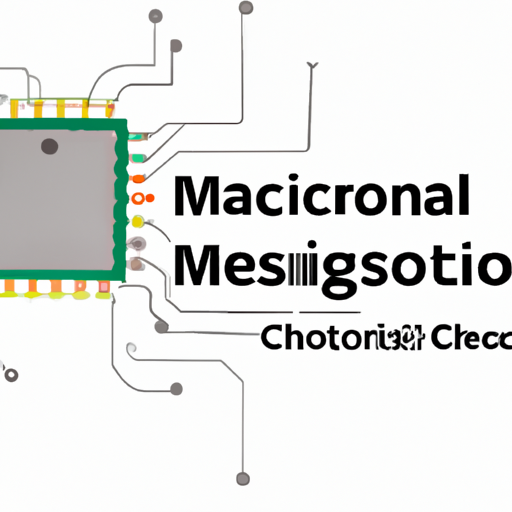
Hand-drawn schematic representation, not for production use / 手绘示意,非精确原理图
Power supply and decoupling best practices
Decoupling prevents oscillation and transient errors. Place a 0.1 µF ceramic capacitor within 1–2 mm of VCC and GND pins. For high-precision applications, use X7R dielectric capacitors to maintain capacitance stability over temperature.
Troubleshooting Checklist
- Output Saturated? Check if input signal exceeds the Common-Mode Voltage Range (typically V- to V+).
- High Noise? Check for digital traces running under the analog input pins.
- Oscillation? Verify the capacitive load. If >100pF, add a small isolation resistor (20-100Ω) at the output.
Summary
- The TP5534-SR offers low‑voltage operation with very low quiescent current and rail‑to‑rail I/O, making it suitable for battery‑powered precision front‑ends.
- Follow tight decoupling, short feedback loops, and input protection rules to maintain low noise and stability.
- Use the datasheet‑to‑hardware checklist—supply range, quiescent current, input common‑mode—to quickly validate the part for your design.
FAQ
Q: What supply decoupling is recommended?
Use a 0.1 µF ceramic placed within 1–2 mm of VCC and GND pins, supplemented by a 1 µF or 4.7 µF bulk capacitor nearby.
Q: How should inputs be protected?
Protect inputs with series resistors (1–100 kΩ) and clamp diodes to rails for harsh environments.